
Heat-Resistant Glass for Malaysian Homes: Why It Matters in Our Climate
Discover why heat-resistant glass is essential for Malaysian homes. Compare Low-E, tinted, and double-glazed options and find out how energy-efficient glass in KL can cut your electricity bills significantly.
3/28/20265 min read
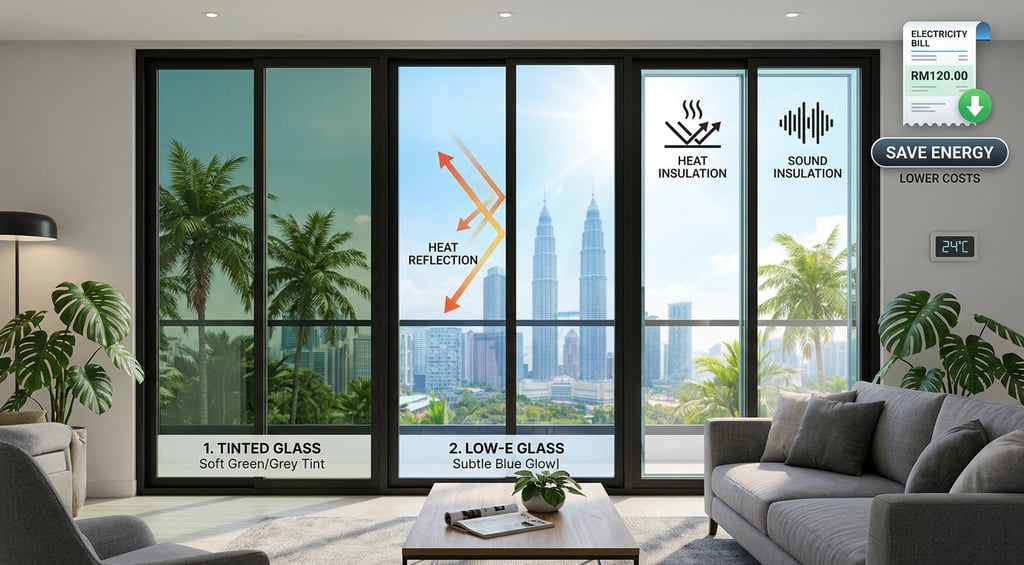
Malaysia is one of the hottest countries in Southeast Asia. With temperatures regularly hitting 32 to 36 degrees Celsius and humidity above 80 percent throughout the year, the heat that enters your home through your windows is one of the biggest challenges for Malaysian homeowners. It drives up your electricity bills, makes your rooms uncomfortable, and forces your air conditioning to work overtime.
The solution? Heat-resistant glass. Also known as solar control glass or energy-efficient glass, this type of glazing is specifically engineered to reduce the amount of solar heat that passes through your windows — without blocking natural light. In this guide, we explain what heat-resistant glass is, the different types available, how much it can save you on your electricity bills, and why every Malaysian homeowner should seriously consider it.
What Is Heat-Resistant Glass?
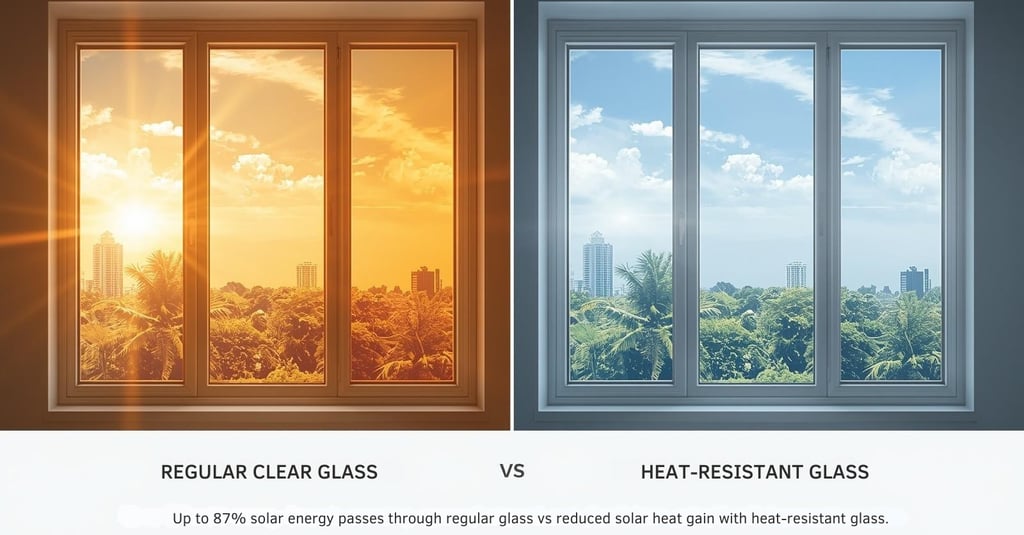
Heat-resistant glass is a specially manufactured glass product designed to reflect or absorb solar radiation before it converts to heat inside your home. Unlike regular float glass, which allows up to 87% of solar energy to pass through, heat-resistant glass uses advanced coatings and technologies to block solar heat gain while still allowing visible light to enter.
In Malaysia, where the sun shines intensely all year long, this is not a luxury — it is a practical necessity for any home or commercial building with significant window or glass surface area.
How Does Heat-Resistant Glass Work?
Heat-resistant glass works through several key technologies:
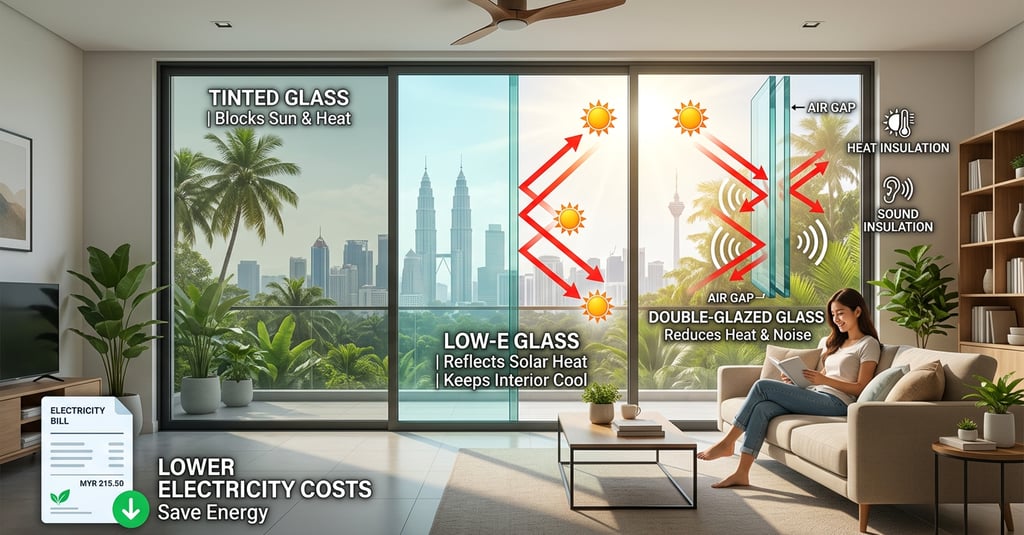
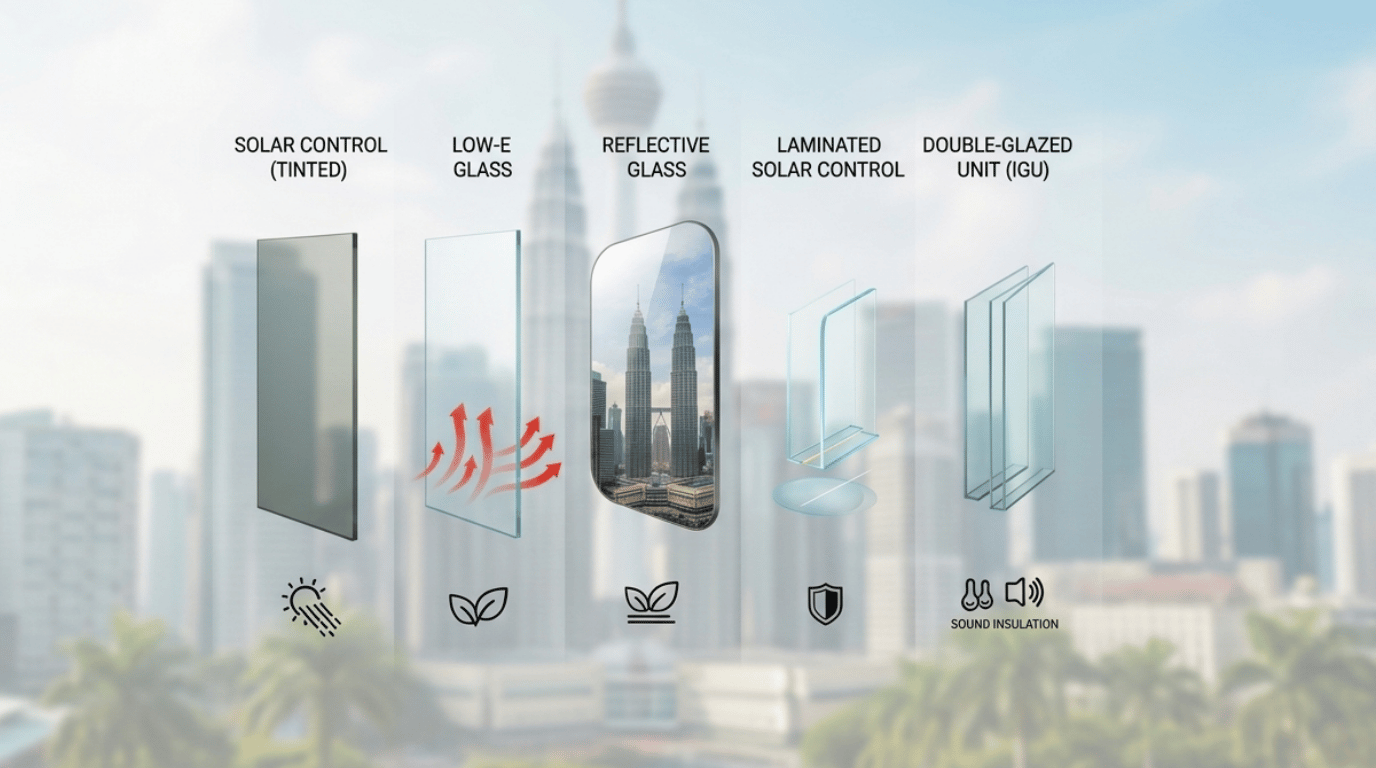
Low-E (Low Emissivity) Coating: A microscopically thin metallic coating applied to the glass surface that reflects infrared radiation (heat) while letting visible light pass through. This is one of the most common technologies used in energy-efficient glass in KL and across Malaysia.
Tinted Glass: Absorbs solar energy within the glass itself, reducing the amount that enters the room. Available in grey, bronze, blue, and green tints commonly used in Malaysian homes and offices.
Reflective Coating: A mirror-like metallic coating on the outer surface that reflects sunlight before it enters the glass. Commonly used in commercial buildings and high-rise developments.
Double Glazing with Air Gap: Two glass panes with a sealed air or gas gap between them that acts as an insulating barrier, dramatically reducing heat transfer from outside to inside.
For Malaysian homeowners, Low-E glass and tinted glass are the most popular and cost-effective options, especially for residential windows, sliding doors, and conservatories.
5 Key Benefits of Heat-Resistant Glass for Malaysian Homes
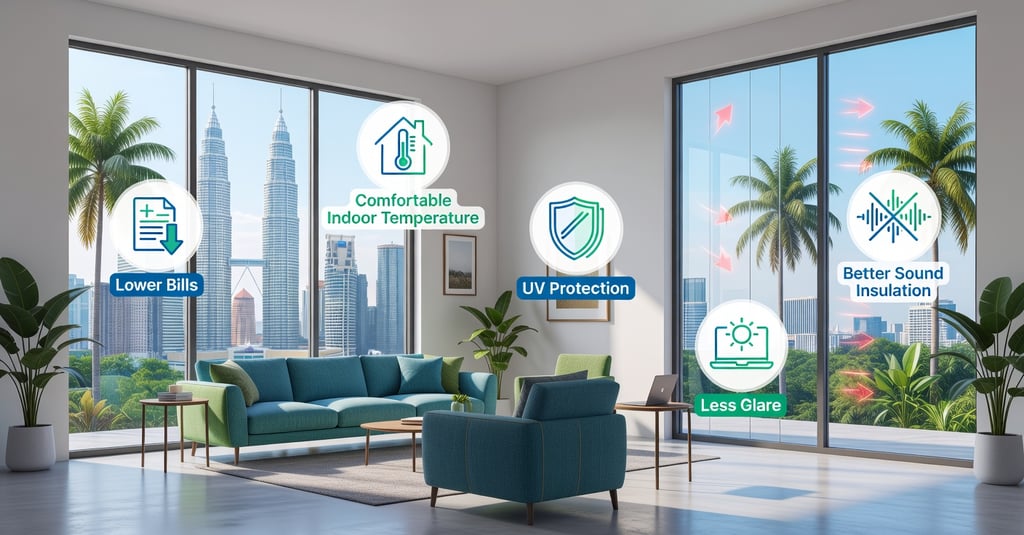
1. Significantly Lower Electricity Bills
Air conditioning accounts for up to 60% of electricity consumption in Malaysian homes. Heat-resistant glass reduces solar heat gain by 40% to 70%, meaning your air conditioner does not have to work as hard. Over time, this translates to significant savings on your monthly TNB bill.
2. Improved Indoor Comfort
Rooms with heat-resistant glass maintain more stable temperatures throughout the day. You will notice fewer hot spots near windows, more consistent cooling from your air conditioning, and a much more comfortable living environment even during peak afternoon hours.
3. UV Protection for Furniture and Flooring
UV rays from the sun cause fading and deterioration of furniture, flooring, curtains, and artwork. Heat-resistant glass, particularly Low-E glass, blocks up to 99% of UV radiation, protecting your interior investments and keeping your home looking newer for longer.
4. Reduced Glare
Excessive sunlight streaming through regular windows creates uncomfortable glare on screens, TVs, and work surfaces. Heat-resistant tinted glass reduces glare while maintaining adequate natural light, making your home more practical and comfortable.
5. Better Sound Insulation
Many heat-resistant glass options, particularly double-glazed units, also provide improved sound insulation. This is a bonus for Malaysian homeowners living near busy roads, commercial areas, or noisy neighbourhoods.
Types of Heat-Resistant Glass Available in Malaysia
Solar Control Glass (Tinted): The most affordable entry-level option. Available in various tints, this glass reduces heat and glare. Ideal for budget-conscious homeowners doing window replacements.
Low-E Glass: A premium option with a nearly invisible coating that reflects heat while maximising light transmission. Best for homes in Kuala Lumpur, Selangor, Penang, and other urban areas where energy efficiency is a priority.
Reflective Glass: Commonly used in commercial applications but increasingly popular in modern residential designs. Provides high solar control and a sleek, contemporary look.
Laminated Solar Control Glass: Combines heat resistance with safety properties. The glass holds together if broken, making it ideal for skylights, floor-to-ceiling windows, and areas prone to impact.
Double Glazed Units (IGU): The most advanced option offering maximum heat and sound insulation. Recommended for premium homes, home offices, or rooms that require the highest level of thermal comfort.
Frequently Asked Questions About Heat-Resistant Glass in Malaysia
Q: Is heat-resistant glass worth the investment in Malaysia?
A: Yes. Given Malaysia's year-round heat and high electricity costs, the energy savings from reduced air conditioning usage typically allow homeowners to recover the cost of heat-resistant glass within 3 to 5 years. The long-term benefits in comfort and UV protection add further value.
Q: What is the difference between heat-resistant glass and normal glass?
A: Normal float glass allows most solar heat and UV rays to pass through. Heat-resistant glass uses special coatings or construction to block or reflect a significant portion of solar heat, reducing indoor temperatures and energy usage.
Q: Can heat-resistant glass be installed on existing windows?
A: In most cases, yes. Depending on your window frame type, existing glass panels can be replaced with heat-resistant glass without changing the entire window frame. A professional glazing contractor can assess your current setup and recommend the best approach.
Q: Which is better for Malaysia: Low-E glass or tinted glass?
A: Both are effective, but they serve different priorities. Low-E glass offers superior performance with minimal impact on visible light and aesthetics. Tinted glass is more affordable and provides good heat and glare reduction. Low-E is generally recommended for maximum energy efficiency, while tinted glass suits homeowners on a tighter budget.
Ready to Upgrade to Heat-Resistant Glass for Your Malaysian Home?
At Excellence, we supply and install a full range of heat-resistant glass solutions for Malaysian homeowners and commercial properties. From solar control glass to premium Low-E double-glazed units, we help you find the right glazing solution that matches your budget, aesthetic preference, and energy efficiency goals.
Contact us today for a free consultation and quotation. Call +60126365576 or email ynlbina99@gmail.com and let our glazing experts help you make your home cooler, more comfortable, and more energy-efficient.
Delivering quality glazing, roofing, and steel solutions.
YNL Bina Sdn.Bhd.
ynlbina© 2026. All rights reserved.
16,Jalan 19/62B, Bandar Menjalara, 52200, WP Kuala Lumpur, Malaysia
+603-62635576
Contact Us
KL Office Address
Penang Office Address
11A, Lintang Talang 2, Taman Prai, 13700, Perai, Penang, Malaysia
KL Store Address
Lot No.18 Plot A2, Jalan Udang Harimau 2, Medan Niaga, Kepong 52100, WP Kuala Lumpur, Malaysia
Websites
Whatsapps
Office Phone
